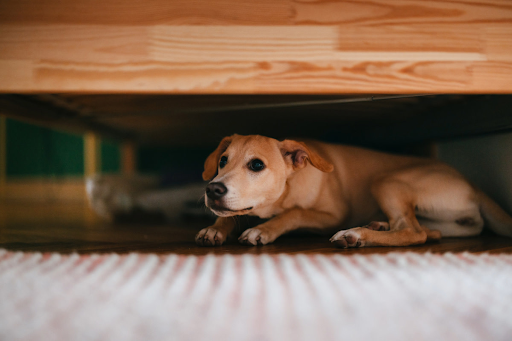
If your pet gets anxious when you are leaving your house. There is a reason. And more and more pet guardians are finally understanding that their cats and dogs are not acting out. They’re just stressed.
Fireworks, separation, and grooming visits. Even a simple vacuum session can trigger a spiral. And here’s the real kicker: Well-meaning advice from the internet often makes it worse. Crate training? Might backfire. Essential oils? Might be a waste.
But there’s a much better way. And this guide will break down exactly how to calm your pet’s anxiety. With science-backed tools. Small daily tweaks. And expert strategies even vets use.
Understanding Stress and Anxiety in Pets: Why It Matters
Stress can have a big effect on how your pet learns. React. And connect with you. When the stress is chronic, it chips away at their well-being. Which makes them more reactive. Harder to train and can cause behavioral problems.
For dogs, stress may look like barking nonstop. Or destroying furniture when you leave your house. For cats. It’s often hiding behind furniture. Aggression. Or house soiling that owners misread as defiance.
But here’s the part many miss: stress in pets is often invisible until it isn’t. You might not notice it until it’s already affecting their sleep, appetite, or even vet visits.
According to the AAHA behavior guidelines, Something as subtle as clinic lighting or flooring can heighten a pet’s fear response.
That’s why understanding the early signs and making it small. Consistent adjustments at home are the first real step to solving the problem. It not only improves your pet’s quality of life. But also because it makes every moment you spend together easier. Smoother and more rewarding.
Most Common Signs of Stress and Anxiety in Pets
The most common signs of anxiety in dogs are visible when they start pacing as you reach to grab your home keys. They may start drooling excessively, start hiding, or even start chewing destructively.
Some dogs start “shadowing”. That means they start following you from room to room.
On the cat’s side, their anxiety actions are more subtle. You can notice their anxiety when they start hiding in the closet. Or when they flatten their ears when approached. They also start over-grooming or start soiling outside of their litter box.
The ASPCA study found that pets started chewing doors or urinating 15 minutes after their owners left the house. They said that they are not doing that to seek attention. Rather, they’re panicking.
One of the biggest mistakes that pet owners make is that they assume the pet will “grow out of it” or that more cuddles will fix everything. However, anxiety is not fixed through affection. It’s fixed when pets feel safe during unpredictable moments. And how confident they are when navigating them.
This is one of the reasons why quick fixes rarely work. If your pet feels unsafe, their brain stays in survival mode. To help them ease their anxiety, you can help them build safety through small, repeatable habits. Things like leaving them alone for shorter periods and creating a predictable routine. As you do these actions, over time, your pet learns that alone time ends safely.
What Causes Anxiety in Pets? Common Triggers to Watch For
You may notice your dog trembling during thunderstorms. Or your cat vanishes every time guests arrive. The biggest stress predictors? Separation from you. These often happen when there are loud noises. Especially fireworks or construction work. And during visits to vet clinics or grooming tables.
Dogs start developing separation anxiety when they sense changes in routine. Like going back to the office post-pandemic. For cats, the anxiety often stems from a lack of control over their environment.
According to AAFP’s Feline Guidelines, cats thrive on choice, vertical space, and private spots. Without that, stress builds.
The real challenge appears when some owners unknowingly make anxiety worse. Like ignoring a dog’s separation anxiety for too long. Which can make their panic attacks worse. Or punishing a cat who’s soiled outside the litter box. Can deepen their fear.
Understanding these triggers helps you shift from reacting to preventing. That’s how you create long-term calm.
5 Tips to Manage Stress and Anxiety in Pets
Every strategy when made part of the day gives the best results. Below we have 5 tips that can help reduce your pet’s anxiety as soon as you implement them.
Create Safe Zones
A consistent and cozy retreat can make your pet feel much more grounded. You can introduce things like a crate cat condo. Or set a soft bed in a quiet corner of your home. To drown external sounds, you can also introduce fans or a white noise machine alongside.
Train Alone time Gradually
Make your dog chew a stuffed toy for 2 to 5 minutes a day. Then gradually start increasing the time. For cats, you can toss treats before leaving the house to build positive associations and avoid dramatic goodbyes or greetings.
Add Enrichment Daily
Licking, sniffing, and foraging may look like fun. But they can help in lowering their heart rate and redirecting their nervous energies. For dogs, you can use snuffle mats, puzzle toys, or even frozen DIY food packs. For cats, you can switch between new toys or add vertical spaces.
Use Vetted Tools (Skeptically)
Compression vests like ThunderShirt can help a ton in reducing your pet’s anxiety during storms. Pheromone diffusers have a low risk, but the effects can be different for every pet. Some pet owners have shown that medications like Fluoxetine or clomipramine, which are FDA-approved helped in severe cases.
Partner with Your Vet Early
Getting a vet partner early can help you be aware of any underlying medical causes instantly. Which can help you make plans before things get bad.
Try each of these tips one by one. Don’t expect that changing one toy will solve everything for you. Over time, you will start building trust with your pet.
How Professional Training or Therapy Can Help
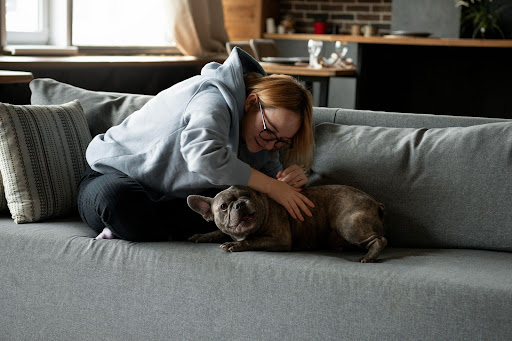
You may see no progress even after trying different things. And that’s when professional help can come to the rescue.
Certified trainers use desensitization and counterconditioning (DS/CC). These methods and strategies can help the pet stay calm when exposed to triggers. Veterinary behaviorists may suggest medications like SSRIs or Fluoxetine if the anxiety gets severe. Or even antidepressants like trazodone before storms or vet visits.
You can also learn to desensitize your pet inside your home. Or seek a professional and trained groomer. A groomer with a certification is a great signal that your provider knows how to work with anxious pets. If you want, you can also enroll in a recognized online grooming certification for dogs, which can teach you to handle your pet’s anxiety yourself with more confidence and calm.
Final Thoughts
Your pet’s anxiety is not bad behaviour. And it’s not your fault either. You just need to reach out for help.
And with the right mix of environment tweaks, clear routines, and expert support, you can solve your problem with compassion.
Do keep in mind that taking action early is non-negotiable. Pets don’t just start getting less anxious over time. Though they can start getting calmer as you keep following the best practices, like those mentioned in the above guide.
Whether you’re trying to manage your pet’s firework panic attacks. Or simply want to leave the house without a meltdown. There are vets, trainers, and even communities that are made to help people like you.