Category Archives: Travel

How Boat Speed and Engine Noise Affect Wildlife Photography Opportunities

A safari boat doesn’t just need a great camera and a long lens for wildlife photography. You can make a huge difference in the quality and time of your photos, just by moving the boat. The noise of the engine, vibrations, sudden turns and boat speed can all affect both the distance to the animals and the readiness of the animal to appear when you approach it.

Photographers need to be aware of these factors, which can help them make better decisions on a safari.

The Effect A Faster Boat Speed Will Have On A Photography Opportunity

A high speed boat will get you farther and will allow you to see more in less time. But fast shooting rates can pose challenges to wildlife photography. The faster the boat is moving, the less time the photographer has to see an animal, frame their shot, focus on the subject and then snap the picture.

Shaking of the camera also occurs when the camera moves quickly. Although image stabilisation can help with vibration, it can still cause a loss of sharpness, particularly with a long telephoto lens.

When photographers slow down when approaching an area where there could be wildlife present, they will have more time to observe their surroundings. It also helps in responding to the sudden appearance of an animal.

Animal Life Can Be Affected By Engine Noise

Another important consideration is engine noise. Noise from boats can be heard by wildlife, especially in low noise environments.

Animals can be alert to the boat’s approach. Some may go deeper into the vegetation, move back towards the water, or change their behavior. This can limit the chance to take photo opportunities of nature.

Photographers can benefit from approaching slowly and avoiding unnecessary noise with their wildlife. The object is to watch an animal without unnecessary disturbance, to make it feel at ease and not frightened, rather than to coerce it into staying in a particular spot.

Slow Down And Approach Wildlife Slowly

Your guide will let you know if he sees an animal ahead of you, and you may need to slow down slowly instead of stopping quickly.

When the boat suddenly accelerates or decelerates it can rock, making it difficult to keep a long lens steady. It might also supply you little time to prepare your camera.

When the boat is slowing down, take advantage of the limited time to review your shutter speed, autofocus mode, ISO and exposure. Your camera should be ready when the boat is at an ideal viewing point.

Vibrations Can Cause The Image To Become Less Sharp

Uncontrolled vibrations are possible from boat engines that can be felt throughout the boat, in the floor and seating area. The vibrations can be felt when using long lenses.

Whenever possible, maintain a stable shooting position. Do not place the lens on any vibrating components of the boat. If you’re feeling a bit stressed, a firm yet loose hand will keep you from being too slow to react, but won’t cause the camera to move too much.

A fast shutter speed is also helpful when taking photos of wildlife from the moving boat.

Not All Noises Are Bad Noises

There is no guarantee that wildlife will go away because of engine noise. Boats may pass through the area routinely and animals may be familiar with this. They may also differ in response by species, distance, habitat and individual.

That is why it’s better to watch the animal than to make assumptions about how it will react. If an animal is relaxed, don’t move or make noise immediately, just watch.

Be Sure To Follow The Guide And Boat Crew

Boat handlers and guide know the local waterways and the behaviour of wildlife. They can be aware of how to reduce their speed, where to position the boat, and when spacing is critical.

Photographers should never pressure a boat to pursue or crowd an animal only to get a “closer” shot.

Soak Up The Slower Moments!

A slow portion of the safari may indeed be a great time to take in photographs. Less movement of boats allows you to focus on composition, background, reflections, and animal behavior.

Don’t look at slower travel as a lost opportunity to stop and scan the banks, set up your camera, and look for birds, reptiles, deer or other wildlife.

Conclusion

Speed and engine noise can have an effect on wildlife photography, whether it be the camera’s stability, the autofocus and how it performs, animal behaviour, or the time the animal has to react. A slow, slow pace usually allows the photographer more time for preparation, and less unnecessary disturbance.

Patience is the key to the best wildlife photo. Be careful, have your camera in hand, practice responsible safari, and let the animals set the pace of the experience.
Wildlife Photography Techniques Used by Professional Photographers

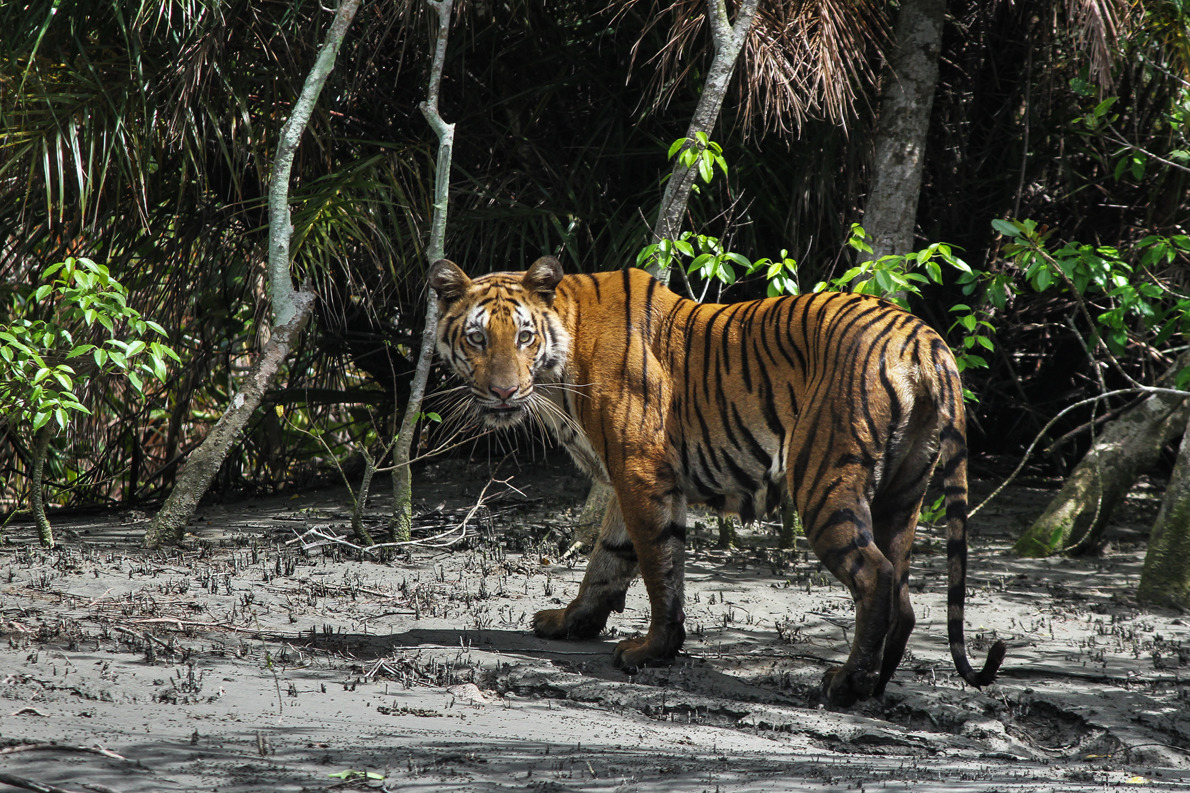
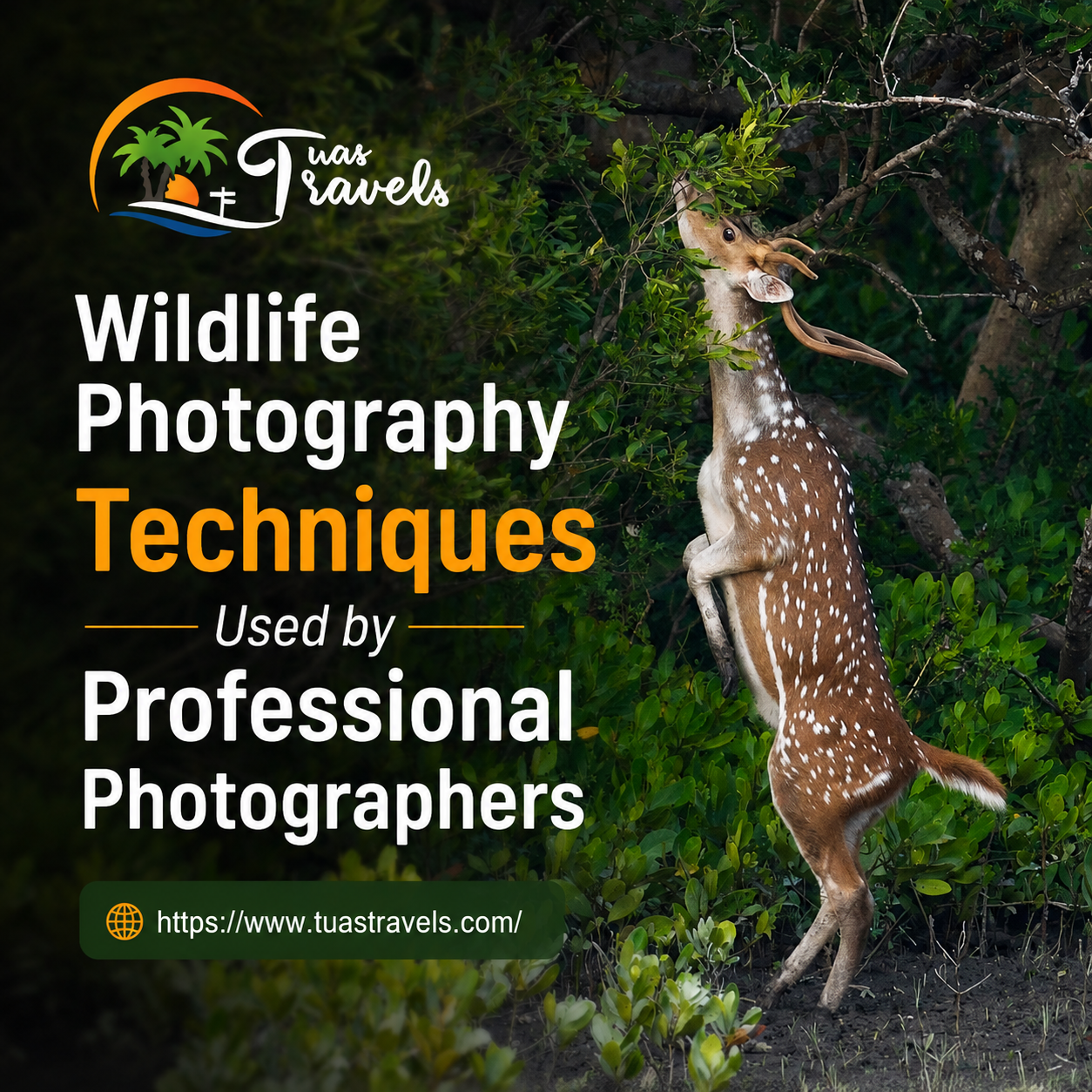
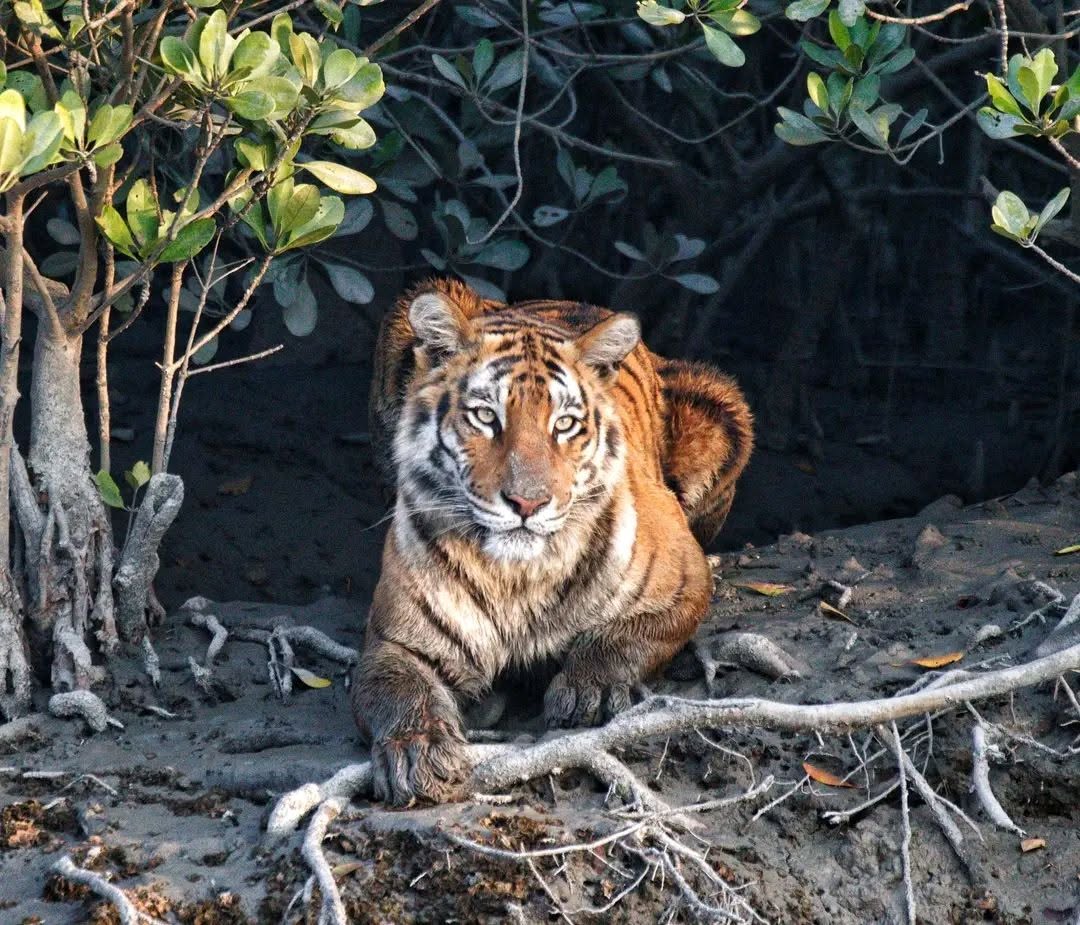
Wildlife photography is not just about a good camera and the long lens. Wildlife photographers, who specialize in this type of photography, need to be technical, knowledgeable about animal behavior, patient, and careful observers to take natural and interesting photographs. When shooting birds, deer, crocodiles and Royal Bengal Tigers, the right technique can make a difference.


Choose the Right Shutter Speed

One of the most crucial settings when you’re shooting wildlife is shutter speed. Some animals are fast and can move suddenly – a fast shutter speed will help prevent motion blur and help stop the action from happening. If you’re shooting birds in flight or running animals, you might want to try speeds of 1/1000 sec or greater. In slower subjects, a slower shutter speed might be enough.

Professional photographers know how to adjust their shutter speed, depending on the animal they are taking pictures of and the amount of light they have.


Use Continuous Autofocus

Wildlife tend to be very active and will benefit from continuous autofocus. New cameras have tracking functions that will track the movement of an animal and keep the focus on it while the animal moves.

If it has animal or eye-detecting autofocus, it can assist as well. But even if an animal is partially hidden behind branches or mangrove plants, photographers need to know how to set the manual focus.


Use An Appropriate Lens To Add To

Many professional wildlife photographers will use telephoto lenses as they can capture subjects at a safe distance. A 100–400mm lens will be flexible and a 150–600mm lens will give more reach for distant animals and birds.

It will depend on where the photograph is being displayed and what is happening in the image. Where photography from boats is common like in Sundarban, a longer lens may be helpful for the subjects that are located across waterways or among dense vegetation.


Use Burst Shooting

Wildlife behaviour can change in an instant. The continuous or burst shooting feature enables the photographer to shoot multiple images in one action, such as shooting a bird’s flight or the turn of the tiger’s head.

But burst mode must be used judiciously. With hundreds of unnecessary snapshots, it’s easy to lose track of images and fill up memory cards.


Understand Animal Behaviour

A great skill that is taught by professional wildlife photographers is to predict animal behavior. An animal will give a small message beforehand before moving.

The way someone sits, shifts the focus of their attention, moves their ears, vocalises or suddenly gets alert can signal the onset of an event. Knowing these signs helps photographers know how to compose and set their cameras.


The Use Of Natural Light Is Encouraged Wherever Possible

The professionals photographers do follow the light for their attention. Sometimes the early and late light are gentler and warmer, and at other times, cloudy light can be perfectly even.

Photographers don’t just photograph animals in the sun, they think about the light on the animal. You can achieve texture in side lighting, silhouettes in back lighting, and sharp front lighting in soft lighting.


Keep A Safe Distance From Others

A photo should never take the place of not disturbing a wild animal. Long lenses and proper positioning are used by professional photographers to keep a proper distance.

This is especially crucial when you’re taking photos of predators. Do not try to approach and chase an animal to take a better photograph, or feed or attract them to improve the shot. Letting animals behave naturally will give more natural images.


Create Strong Compositions

Technically good photos don’t necessarily make great photos. Composition is also a key element of consideration for professionals. Space in front of a moving animal can be useful to create a pull and adding some of the habitat can convey a stronger message.

Do not always put the animal in full frame, but consider environmental compositions in which the animal’s relationship with the environment is shown.


Be Patient and Prepared

When you’re shooting wildlife, you may find you have to wait a long time. When there’s no activity, the professionals are still on standby. Batteries are charged, memory cards are available, camera settings are adjusted and equipment is easily accessible.

Do not lose your temper and wait and see some unplanned superlative moments.


Final Thoughts

Professional Sundarban Wildlife Photography Tour requires technical expertise, observation, patience and respect for nature. Photographers can greatly enhance their photographs by learning how to use shutter speed, autofocus, lens choice, burst shooting, natural light, composition, and animal behavior. Above all, responsible photography is about shooting natural by shooting wildlife without disturbing it.

Take To The Land Of Sundarban Wildlife Photography With This Camera Gear Guide

Sundarban Wildlife Photography Tour is an exceptional chance to photograph the rare and elusive animals of the one of the biggest Mangrove Swamps of the world. It is whether you’re taking photos of the majestic Royal Bengal Tiger or breathtaking bird or reptile life, the right camera equipment is essential to have for capturing incredible photos. This guide will help you choose the best equipment for a successful Sundarban wildlife photography experience. Do you want to take a tour guide of what you eaxctly need or not miss before you are on to somewhere? Then you must check out this article which will help you undersatnd the ideas and the neceassry items that you need to tajke it. In fact there are some of the

There’s a time and place for everything, and sometimes it’s just a camera

It’s important to have a quick and dependable camera while capturing wildlife photographs in the Sundarbans. It is for moving subjects, use a camera with a high frame rate (8-10 fps or more). It is highly responsive autofocus cameras are best for shooting birds on the wing or quick animal actions. The full-frame cameras do well in low lighting levels, which is the norm in dense mangrove forests, hence they are the cameras of preference for professionals.

Take Photos Of Far-Off Animals

It is not uncommon to see wild animals from afar in the Sundarban, particularly during boat safaris. For wildlife photography, you’ll need a telephoto lens (200mm to 600mm). The versatile lens—100-400mm lens is ideal for versatility and can be used to take detailed shots of animals without disturbing them, such as a tiger or a crocodile. It is strongly recommended: image stabilization to minimize the effects of boat movement and produce a clearer image.

The Wide-Angle Lens for Landscapes

The emphasis is on wildlife, but also do not miss the chance to enjoy the magnificence of the mangrove system. A wide-angle lens (16-35mm or equivalent) is ideal for shooting rivers, forests, and stunning sunrise and sunset shots. You can add landscapes to your Sundarbans story in your portfolio and make it interesting. You can get some of the exciting pictures which are definitely attractive. But you should also get the guide who can help you get the spot where you are able to get the right moment. In fact the right season and alos the right moment are always necessary to take a perfect shot.

The Extra Batteries and Memory Cards

You may need to take extra batteries on long boat trips, and with limited charging facilities, it is essential. Wildlife photography requires a lot of continuous shooting and, consequently, drains the battery. It is, likewise, the high-resolution picture and Burst Mode demand a generous storage capacity. Bring extra memory cards (2-3) just in case there are important shots you miss. There are some of the launches where you can get all the necessary items that help the tourist.

The Camera Bag and Protection

The climate of the Sundarbans may be wet and unstable. Invest in a waterproof and dustproof camera bag and protect the equipment. It is to protect your gear from sudden splashes when you’re on a boat; use rain covers or dry bags. It is also possible to control moisture and prevent fogging of the lens by using silica gel packs. These will be helpful, and there are travel agents or tour guides who are simply helping you to get all these for you. You can take the idea of it. You can simply understand the best of it.

You must take the tripods can be difficult to work on a boat, but a lightweight monopod can be used on the boat and still offer stability. It is useful to minimize the shakes caused by the camera movement, particularly when employing thick tele-photo lenses, in low-light situations. These things will help you to get the best shots. It will ease the whole project and ultimately get the shot.

The Essential Accessories

Other accessories that are helpful are lens cleaning kits, UV filters for protection, and polarizing filters to eliminate water reflection. A bean bag can also be helpful for stabilizing your camera on boat edges. These accesories are simply the best help for you to gather. In fact, there are some of the guides, like Tuas Travels who are simply conducting these research and photographic tours to give you the best of it. If you want to get the best of it then you must hire someone who can help you to reach the spot.

The Final Thoughts

Choosing the right gear can significantly enhance your Sundarban wildlife photography tour experience. When choosing equipment, consider versatility, portability and durability. In this blog, you will learn how to prepare and use the camera for taking beautiful shots and get to know the various types of wildlife of Sundarbans without any hassle. You can take the step by yourself or you can simply shoulder all these ideas to someone who is experienced and its there daily work to give you the best one. All the right things are simply offering you the best one.


Top 5 Places to Enjoy Trekking in Ranikhet

Ranikhet – The land of sheer beauty and love as well as sports and adventure

Ranikhet is a joy to the heart of all those nature and adventure lovers, who visit the hamlet in search of the best holidays ever. If you are into adventure sports then this is the place to be, as Ranikhet offers a plethora of adventures amidst its calm serenity.

You can enjoy both the spellbound beauty of Ranikhet while at the same time, indulging in activities like trekking, hiking, rock climbing, rappelling, mountain biking, paragliding, campfire and games.

Most Popular Trekking Trails in Ranikhet

  • From Chaubatia Orchards to Holm Farms
  • From Chaubatia to Bhalu Dham
  • From Meghdoot to Jhula Devi Temple
  • From Ranikhet Club to Chevron Rosemount
  • From Chaubatia to the Artificial Lake.

Enjoying trekking adventures in Ranikhet

  • If you want to enjoy a good 3 to 4 hours trekking in the dense jungles of Ranikhet, you may start any day at 6 AM or 1 PM and from Sadar Bazaar Road, the trek starts. You have to equip yourself with just a water bottle. An expert guide will lead the team of trekkers along the trail that runs through the forests. The entire adventure is just wonderful, fill of awesome adventure and thrill.
  • As you move along the trails through the jungles, you get to see Ranikhet tourist places in the best of its scenic beauties. You mingle with nature here and the greenery all around soothes your eyes and soul.
  • The tour provides some of the best views of the hills and mountains around. The Himalayas can be seen in great clarity and breath-taking views. You have the option of capturing the sceneries through your camera. Enjoy a lovely time.

What is so special about trekking in Ranikhet?

Trekking as an adventure activity has always been a favourite among tourists and adventure lovers. It gives you the opportunity of watching nature from very close quarters. You can explore the wide range of flora and fauna in the jungles to your heart’s content. Such an exercise gives you the energy to go on for days.

Walking through the thick woods is thrilling and charming at the same time. It gives you this feeling of oneness with nature. You can drink in as much of the nature in the go as you feel like. This also gives you the opportunity to spend some very quality time with your family and friends, as the regular routine life of the everyday city does not provide such a chance of mixing.

Other Fun and Adventure Activities in Ranikhet

Apart from trekking, you can also indulge in nature walks. All Ranikhet budget hotels provide tour guides to help you explore the exotic beauty of the mountains and jungles around Ranikhet.

However, if you feel like bore enough, you can even play golf. But, if you area bit of holy type then you can visit the temples.

A visit to Ranikhet can give you some of the best-loved adventure sports and best experience of holidays on the mountains.

Enjoy the Tranquil City of Nawalgarh

A peaceful, little town located in the Shekhawati region of Rajasthan, Nawalgarh comes midway between Sikar and Jhunjhunu. This town has its own charm of being tranquil and calm. The beautiful havelis that you will come across on both sides of the main streets of Nawalgarh, will make you come back to this place time and again.

Over the years, Nawalgarh has become quite famous of a tourist destination across the country. You will find many hotels in Jhunjhunu where you can book your stay for your trip to Nawalgarh. Here are some of the tips you ought to keep in mind while traveling to this beautiful city. Keep reading.

  • Visit the havelis of Nawalgarh. The havelis or the palatial buildings that you will get to see here are mostly built by the former rulers of Nawalgarh and the wealthy merchant families of this place. The havelis are incredibly beautiful. People all over the world come to visit the frescoed havelis, with ornate brass and metal fittings that can be found on the walls of the havelis.
  • Most of the havelis are used for modern day purposes these days. Check out the painted walls and many fine paintings that many of these havelis have in store. The paintings and the maps of this region bear the authentic charm of Shekhawati culture. Also, do not forget to check the distinctive architectural style of the havelis. The front gate, the chamber, the grand terrace, the water storage inside the havelis- all of these will take you to the previous era. Havelis like AnandiPodarki Haveli, Bala Kila, Sheesh Mahal, Aath Mahal, Poddar Haveli, Morarki Haveli- all of these havelis are so beautiful that you will be mesmerized seeing the intricate designs and the vibrant hues of color on the walls of these palatial buildings.
  • Check out the temples of Nawalgarh. Like havelis, most of the temples were built by the erstwhile Rajput rulers of this city. Temples like Shri Ramdevji Mandir, Balaji Mandir, Lakshmi Narayan Mandir, Gangamai Temple bear the true essence of Shekhawati culture. Don’t miss the temples during the festivals. Most of these temples get closed with the onset of the evening, so make sure you pay your visit to these places in the daytime.
  • Do a bit of sight-seeing in order to enjoy the tranquility of the rural Rajasthan. You can always go to Sikar, Jhunjhunu and Salasar and visit the temples of these places. KhatuShyam Ji Temple, Jeen Mata Temple, and Hanuman ji Temple are all famous tourist destinations in this region.
  • Even a simple stroll around the city of Nawalgarh will make you fall in love with this simple yet majestic city. Because of the abundant havelis, the locals call it a city of Open Art Gallery. The calm and serene city of Nawalgarh is something you must visit!

So, don’t wait up anymore and pack your bags for a quiet holiday in this tranquil city of Nawalgarh. There are many heritage hotels in Rajasthan where you can book your stay for this trip. Happy Holidaying!

1 2 … 5