

Hacked By Badc0de
May 10, 2013
0

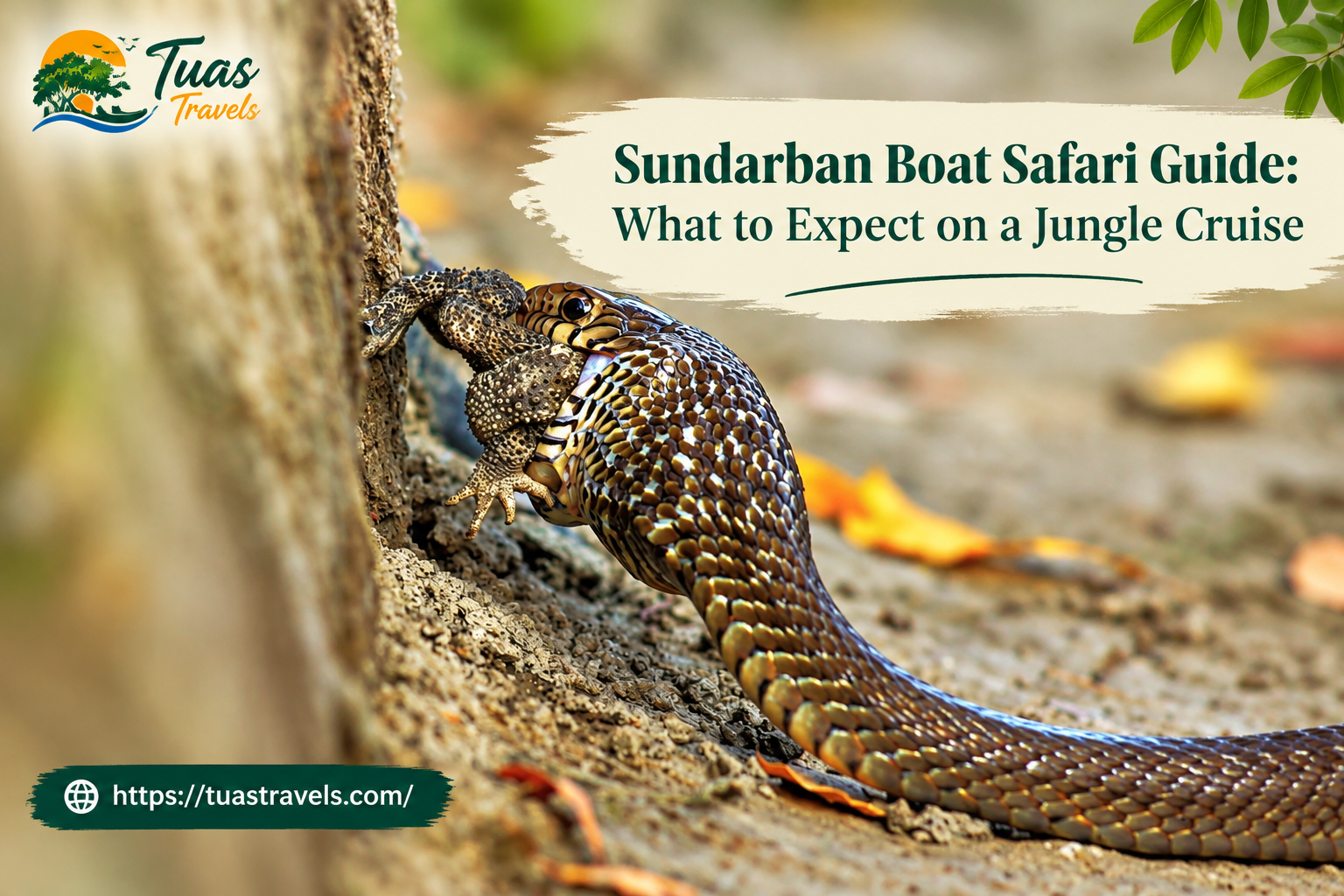
Photography tours in the Sundarban are an unusual experience for photographers to get to photograph wildlife, birds, mangroves and amazing waterways in one of the most unique areas in the world in India. The Sundarbans offers a distinctive method of wildlife photography as opposed to the traditional approach of visiting a wildlife reserve.
From a first-time user of a telephoto lens to an expert who wants a dedicated wildlife photography experience, preparation can make a huge difference.
Select the correct camera and lens.Use the appropriate camera and lens.
In the Sundarbans, a camera that performs well with continuous shooting and has strong high ISO performance, with good autofocus is helpful. Full frame or crop-sensor cameras may be used and work well.
A telephoto lens is especially significant as wildlife need to be photographed from a safe distance. For mammals and larger birds a lens in the 100-500mm or similar range will offer flexibility.
For landscapes, environmental portraits, and photos of animals in their mangrove habitat, a wide lens may be helpful as well.
Carry extra batteries and memory cards. This can lead to much more photography than anticipated after spending a few hours on the water!
Early morning and late afternoon are particularly nice times to shoot since the light may be less intense than it is during the “hottest” hours of the day.
Early morning boat trips can also happen to coincide with active wildlife and bird activity. Strong overhead sunshine can provide challenging exposure and contrast throughout the day.
But the wildlife does not cooperate with a photographer’s schedule. Be prepared to take pictures at any moment in time that you think is interesting.
Your boat is your camera platform in the Sundarban. The final image can thus greatly be affected by positioning.
Follow your boat crew and guide’s instructions when animals are seen. A good position, if conditions allow, may have a better line of sight and not disturb the animal.
Do not make abrupt movements or make unnecessary noises. After the boat is set, it’s sometimes better to wait for things to come to the right person than to keep on moving it around.
Photography of bird species is a crucial aspect of a wildlife photography tour to the Sundarbans. Waterways and forest edges may be visited by kingfishers, herons, egrets, raptors and other wetland birds.
When photographing birds in motion, or birds in flight, use a fast shutter speed. Continuous autofocus and burst shooting can help in case a bird flies unexpectedly.
When possible, concentrate as closely as possible on the bird’s eye. Don’t only look for close-up portraits. The inclusion of the mangrove, river or mudflat can convey a better message regarding the bird’s habitat.
The spotted deer, wild boar, crocodiles and monitor lizards are wonderful subjects for photography. While the Royal Bengal Tiger is a dream sighting for many photographers, it is never the only goal to have.
Wildlife may suddenly show up, and vanish just as fast. Be ready with your camera and don’t spend too much time adjusting the camera if an animal is seen.
In the Sundarbans, the story is so much about the environment, including the enclosing mangroves that make the area so special, that environmental photographs can be particularly powerful.
The weather can make a huge difference in the photography experience. Exposure and equipment can be influenced by humidity, bright sunshine, cloud cover and occasional rain.
Protect camera and lens from moisture and splashes. A waterproof bag or rain cover will come in handy during boat trips.
A microfiber cloth can also be used to remove moisture from equipment when moving from one condition to another.
Patience is key to wildlife photos in the Sundarban. These times may be long and quiet, but then followed a few seconds of exciting activity.
Take time to watch the forest closely, rather than always looking for a tiger. Watch for animals along the riverbank or birds reacting to something nearby or vegetation moving.
Taking the time to sit quietly can lead to more natural and authentic photographs.
Practice ethical use of photographic techniques when shooting wildlife.
Photography should always be done responsibly before it’s captured perfectly. Never attempt to attract an animal, make loud noises, feed wildlife or pressure the boat crew to move dangerously close.
Stay back and obey forest officials, guides and boat crew members.
Objectives should be to record wildlife, rather than altering their natural behavior.
A quick trip to the Sundarban may be worth it and then some for some, but for serious photographers, spending several days in the region is well worth it.
A longer Sundarban wildlife photography tour offers more opportunities to see the various tides, lighting and waterways, as well as more opportunities to see more wildlife. It also gives the photographer the opportunity to stop and take their time over a picture, rather than being rushed into taking everything in a single safari.
A multi-day photography tour can be particularly useful for photographers looking to create a series of photographs, rather than just a handful of holiday snapshots.
Great Sundarban photographing is not just about animal photographing. It’s about the bond between wildlife, mangroves, rivers, tides, birds, boats and the people who inhabit this extraordinary ecosystem.
With proper gear, preparation, patience and a commitment to ethical wildlife photography, a photography tour, for the beginner, can help develop his abilities and for the advanced photographer, provide the time and opportunities necessary to produce a meaningful visual story.

Follow below instructions to register/login and to update individual details :
*The link which you want to put in the site for promotion.
**At least one is must.
May 10, 2013
May 29, 2013
May 29, 2013
May 29, 2013
May 29, 2013
May 29, 2013


