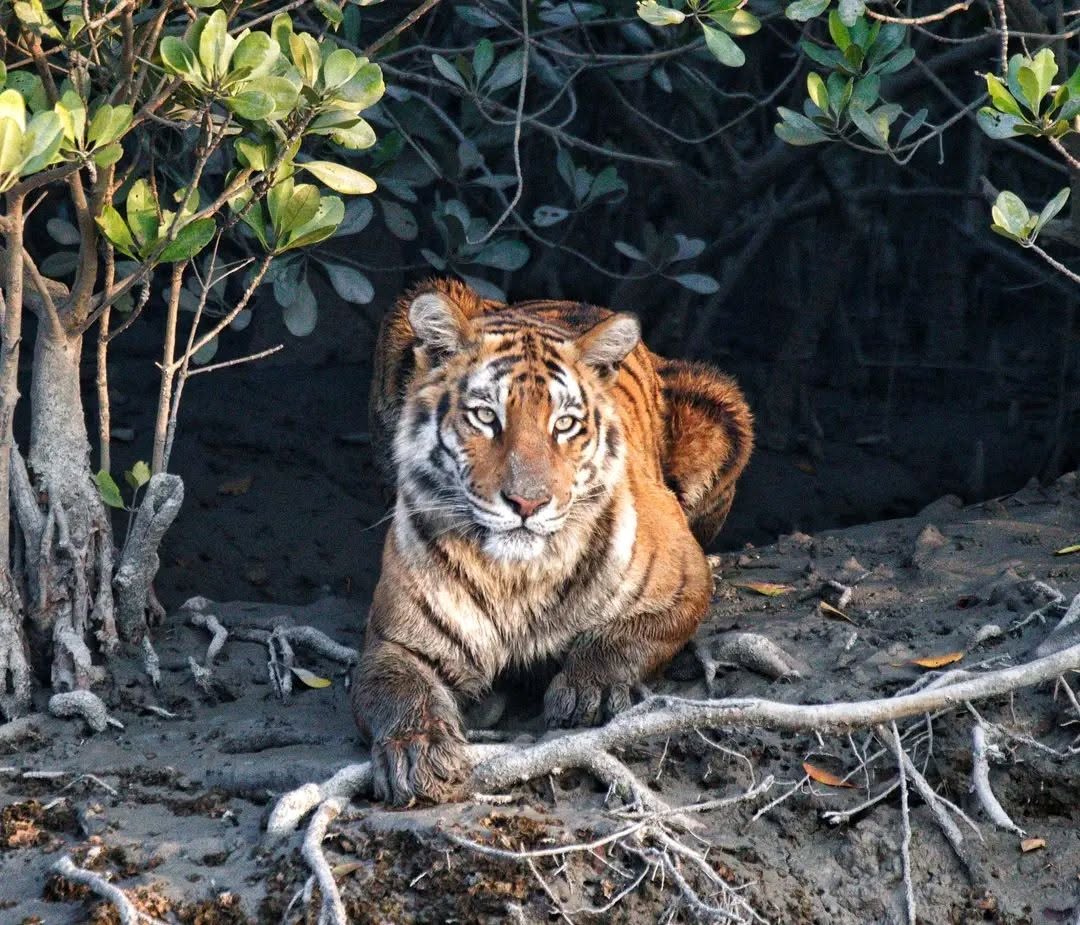
Wildlife photography is not just about a good camera and the long lens. Wildlife photographers, who specialize in this type of photography, need to be technical, knowledgeable about animal behavior, patient, and careful observers to take natural and interesting photographs. When shooting birds, deer, crocodiles and Royal Bengal Tigers, the right technique can make a difference.
Choose the Right Shutter Speed
One of the most crucial settings when you’re shooting wildlife is shutter speed. Some animals are fast and can move suddenly – a fast shutter speed will help prevent motion blur and help stop the action from happening. If you’re shooting birds in flight or running animals, you might want to try speeds of 1/1000 sec or greater. In slower subjects, a slower shutter speed might be enough.
Professional photographers know how to adjust their shutter speed, depending on the animal they are taking pictures of and the amount of light they have.
Use Continuous Autofocus
Wildlife tend to be very active and will benefit from continuous autofocus. New cameras have tracking functions that will track the movement of an animal and keep the focus on it while the animal moves.
If it has animal or eye-detecting autofocus, it can assist as well. But even if an animal is partially hidden behind branches or mangrove plants, photographers need to know how to set the manual focus.
Use An Appropriate Lens To Add To
Many professional wildlife photographers will use telephoto lenses as they can capture subjects at a safe distance. A 100–400mm lens will be flexible and a 150–600mm lens will give more reach for distant animals and birds.
It will depend on where the photograph is being displayed and what is happening in the image. Where photography from boats is common like in Sundarban, a longer lens may be helpful for the subjects that are located across waterways or among dense vegetation.
Use Burst Shooting
Wildlife behaviour can change in an instant. The continuous or burst shooting feature enables the photographer to shoot multiple images in one action, such as shooting a bird’s flight or the turn of the tiger’s head.
But burst mode must be used judiciously. With hundreds of unnecessary snapshots, it’s easy to lose track of images and fill up memory cards.
Understand Animal Behaviour
A great skill that is taught by professional wildlife photographers is to predict animal behavior. An animal will give a small message beforehand before moving.
The way someone sits, shifts the focus of their attention, moves their ears, vocalises or suddenly gets alert can signal the onset of an event. Knowing these signs helps photographers know how to compose and set their cameras.
The Use Of Natural Light Is Encouraged Wherever Possible
The professionals photographers do follow the light for their attention. Sometimes the early and late light are gentler and warmer, and at other times, cloudy light can be perfectly even.
Photographers don’t just photograph animals in the sun, they think about the light on the animal. You can achieve texture in side lighting, silhouettes in back lighting, and sharp front lighting in soft lighting.
Keep A Safe Distance From Others
A photo should never take the place of not disturbing a wild animal. Long lenses and proper positioning are used by professional photographers to keep a proper distance.
This is especially crucial when you’re taking photos of predators. Do not try to approach and chase an animal to take a better photograph, or feed or attract them to improve the shot. Letting animals behave naturally will give more natural images.
Create Strong Compositions
Technically good photos don’t necessarily make great photos. Composition is also a key element of consideration for professionals. Space in front of a moving animal can be useful to create a pull and adding some of the habitat can convey a stronger message.
Do not always put the animal in full frame, but consider environmental compositions in which the animal’s relationship with the environment is shown.
Be Patient and Prepared
When you’re shooting wildlife, you may find you have to wait a long time. When there’s no activity, the professionals are still on standby. Batteries are charged, memory cards are available, camera settings are adjusted and equipment is easily accessible.
Do not lose your temper and wait and see some unplanned superlative moments.
Final Thoughts
Professional Sundarban Wildlife Photography Tour requires technical expertise, observation, patience and respect for nature. Photographers can greatly enhance their photographs by learning how to use shutter speed, autofocus, lens choice, burst shooting, natural light, composition, and animal behavior. Above all, responsible photography is about shooting natural by shooting wildlife without disturbing it.