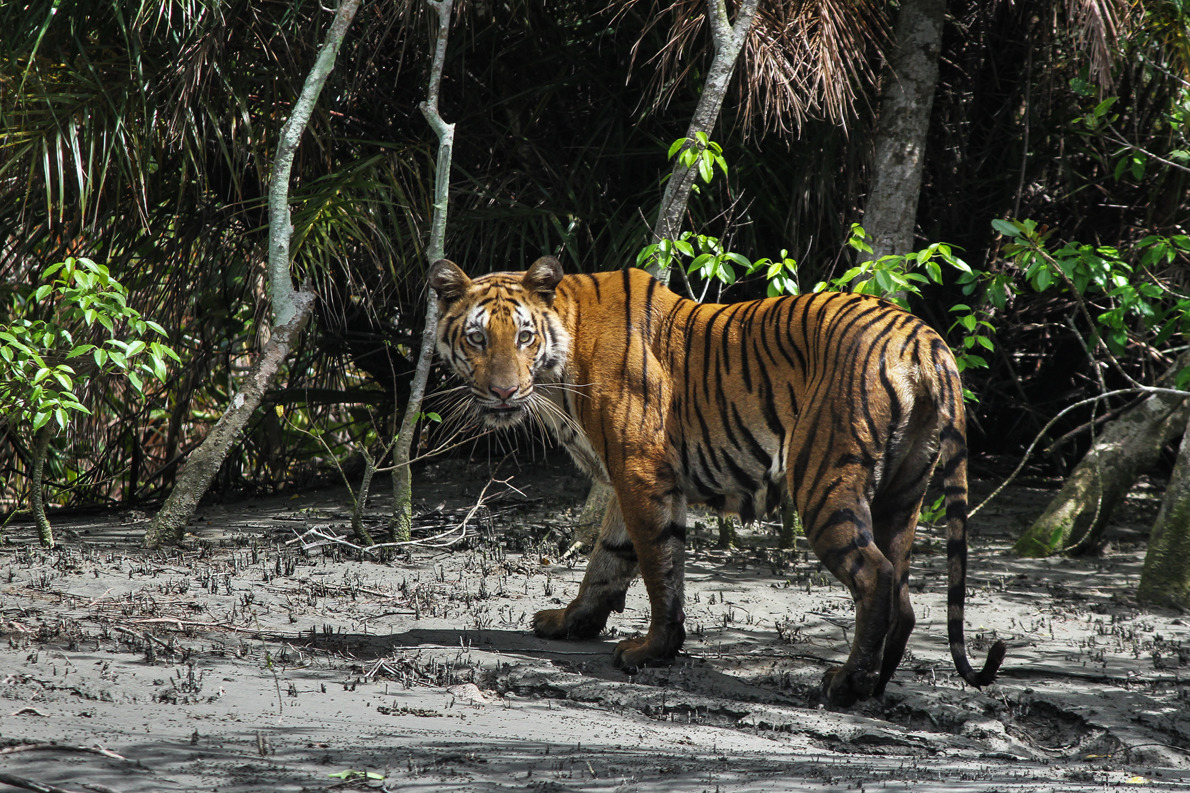
A safari boat doesn’t just need a great camera and a long lens for wildlife photography. You can make a huge difference in the quality and time of your photos, just by moving the boat. The noise of the engine, vibrations, sudden turns and boat speed can all affect both the distance to the animals and the readiness of the animal to appear when you approach it.
Photographers need to be aware of these factors, which can help them make better decisions on a safari.
The Effect A Faster Boat Speed Will Have On A Photography Opportunity
A high speed boat will get you farther and will allow you to see more in less time. But fast shooting rates can pose challenges to wildlife photography. The faster the boat is moving, the less time the photographer has to see an animal, frame their shot, focus on the subject and then snap the picture.
Shaking of the camera also occurs when the camera moves quickly. Although image stabilisation can help with vibration, it can still cause a loss of sharpness, particularly with a long telephoto lens.
When photographers slow down when approaching an area where there could be wildlife present, they will have more time to observe their surroundings. It also helps in responding to the sudden appearance of an animal.
Animal Life Can Be Affected By Engine Noise
Another important consideration is engine noise. Noise from boats can be heard by wildlife, especially in low noise environments.
Animals can be alert to the boat’s approach. Some may go deeper into the vegetation, move back towards the water, or change their behavior. This can limit the chance to take photo opportunities of nature.
Photographers can benefit from approaching slowly and avoiding unnecessary noise with their wildlife. The object is to watch an animal without unnecessary disturbance, to make it feel at ease and not frightened, rather than to coerce it into staying in a particular spot.
Slow Down And Approach Wildlife Slowly
Your guide will let you know if he sees an animal ahead of you, and you may need to slow down slowly instead of stopping quickly.
When the boat suddenly accelerates or decelerates it can rock, making it difficult to keep a long lens steady. It might also supply you little time to prepare your camera.
When the boat is slowing down, take advantage of the limited time to review your shutter speed, autofocus mode, ISO and exposure. Your camera should be ready when the boat is at an ideal viewing point.
Vibrations Can Cause The Image To Become Less Sharp
Uncontrolled vibrations are possible from boat engines that can be felt throughout the boat, in the floor and seating area. The vibrations can be felt when using long lenses.
Whenever possible, maintain a stable shooting position. Do not place the lens on any vibrating components of the boat. If you’re feeling a bit stressed, a firm yet loose hand will keep you from being too slow to react, but won’t cause the camera to move too much.
A fast shutter speed is also helpful when taking photos of wildlife from the moving boat.
Not All Noises Are Bad Noises
There is no guarantee that wildlife will go away because of engine noise. Boats may pass through the area routinely and animals may be familiar with this. They may also differ in response by species, distance, habitat and individual.
That is why it’s better to watch the animal than to make assumptions about how it will react. If an animal is relaxed, don’t move or make noise immediately, just watch.
Be Sure To Follow The Guide And Boat Crew
Boat handlers and guide know the local waterways and the behaviour of wildlife. They can be aware of how to reduce their speed, where to position the boat, and when spacing is critical.
Photographers should never pressure a boat to pursue or crowd an animal only to get a “closer” shot.
Soak Up The Slower Moments!
A slow portion of the safari may indeed be a great time to take in photographs. Less movement of boats allows you to focus on composition, background, reflections, and animal behavior.
Don’t look at slower travel as a lost opportunity to stop and scan the banks, set up your camera, and look for birds, reptiles, deer or other wildlife.
Conclusion
Speed and engine noise can have an effect on wildlife photography, whether it be the camera’s stability, the autofocus and how it performs, animal behaviour, or the time the animal has to react. A slow, slow pace usually allows the photographer more time for preparation, and less unnecessary disturbance.
Patience is the key to the best wildlife photo. Be careful, have your camera in hand, practice responsible safari, and let the animals set the pace of the experience.